

Carlsbad’s Climate Impact on Carpet and Hardwood Flooring

February 4, 2026

Carlsbad’s Climate Impact on Carpet and Hardwood Flooring

Homeowners shopping at a local carpeting store in Carlsbad, CA, should understand how the area’s climate affects flooring. Carlsbad’s coastal climate is mild with relatively high humidity, which can influence how carpet and hardwood perform. This article explains the local weather and details how humidity in Carlsbad impacts both carpet and wood floors.


Carlsbad’s Coastal Climate

Carlsbad has a mild Mediterranean climate with relatively high humidity.

  • Coastal location leads to moderate temperatures year-round (rare frosts, cool summer fog).
  • Average relative humidity is about 69%, with summer peaks around 75% and winter lows near 64%.
  • Sea breezes bring moisture and moderate heat: evenings are often cooler and damp due to the marine layer.
  • Overall, the climate is dry by rainfall but humid by ocean influence, so both moist and dry periods occur.
  • Homes in Carlsbad typically require attention to humidity control due to persistent coastal moisture.

Carlsbad’s weather stays mild, but its coastal humidity means moisture is a constant factor. Flooring materials must therefore withstand some moisture and salinity. Maintaining indoor climate becomes important to protect floors from dampness.


Effects of Humidity on Carpet

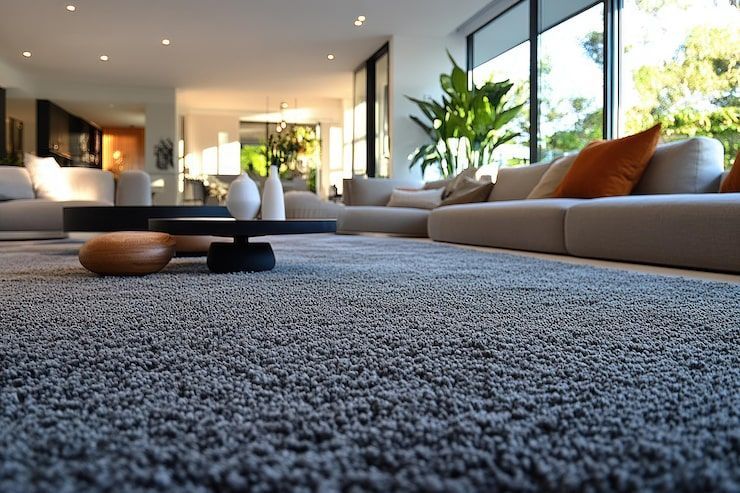
High humidity and moisture promote mold growth and fiber damage in carpet.

  • Modern carpets (nylon, polyester) are water-resistant in the fibers, but moisture in the backing or padding can trap water and breed mold.
  • Prolonged dampness weakens carpet fibers and glue: excessive moisture causes swelling and buckling as it dries out.
  • Dust mites, fleas, and mildew thrive in humid carpet, worsening allergies and odors.
  • Keep carpets dry: use dehumidifiers on humid days, run fans or AC after rain, and air out rooms frequently.
  • Limit carpet to relatively dry rooms (bedrooms, living areas). Avoid installing carpet in bathrooms or basements where moisture is common.

In Carlsbad’s humid climate, carpets must be managed to stay dry. Frequent cleaning and prompt drying of spills are critical. If high humidity is left unchecked, mold can set in within 24–48 hours, so vigilance with dehumidification and airflow helps preserve carpet life.


Effects of Humidity on Hardwood

Wood flooring naturally absorbs moisture and expands in high humidity.

  • Wood is hygroscopic: it absorbs/releases moisture from the air.
  • In humid conditions, wood planks can cup or crown (edges or centers rising) as moisture imbalances occur.
  • In dry periods, wood contracts and may develop gaps between boards (shrinkage).
  • Repeated expansion/contraction can warp boards, separate seams, or loosen fasteners over time.
  • Use moisture barriers under hardwood: install vapor barriers on concrete slabs to block ground moisture.
  • Control indoor humidity (ideally 35–55%) to reduce wood movement.
  • Watch for warning signs: creaking sounds, visible gaps in winter, or boards lifting near windows or doors.

Hardwood in Carlsbad must cope with seasonal humidity shifts. Proper humidity control prevents structural damage: allowing floors to acclimate and maintaining stable air moisture keeps gaps and warping to a minimum.


Engineered vs Solid Hardwood

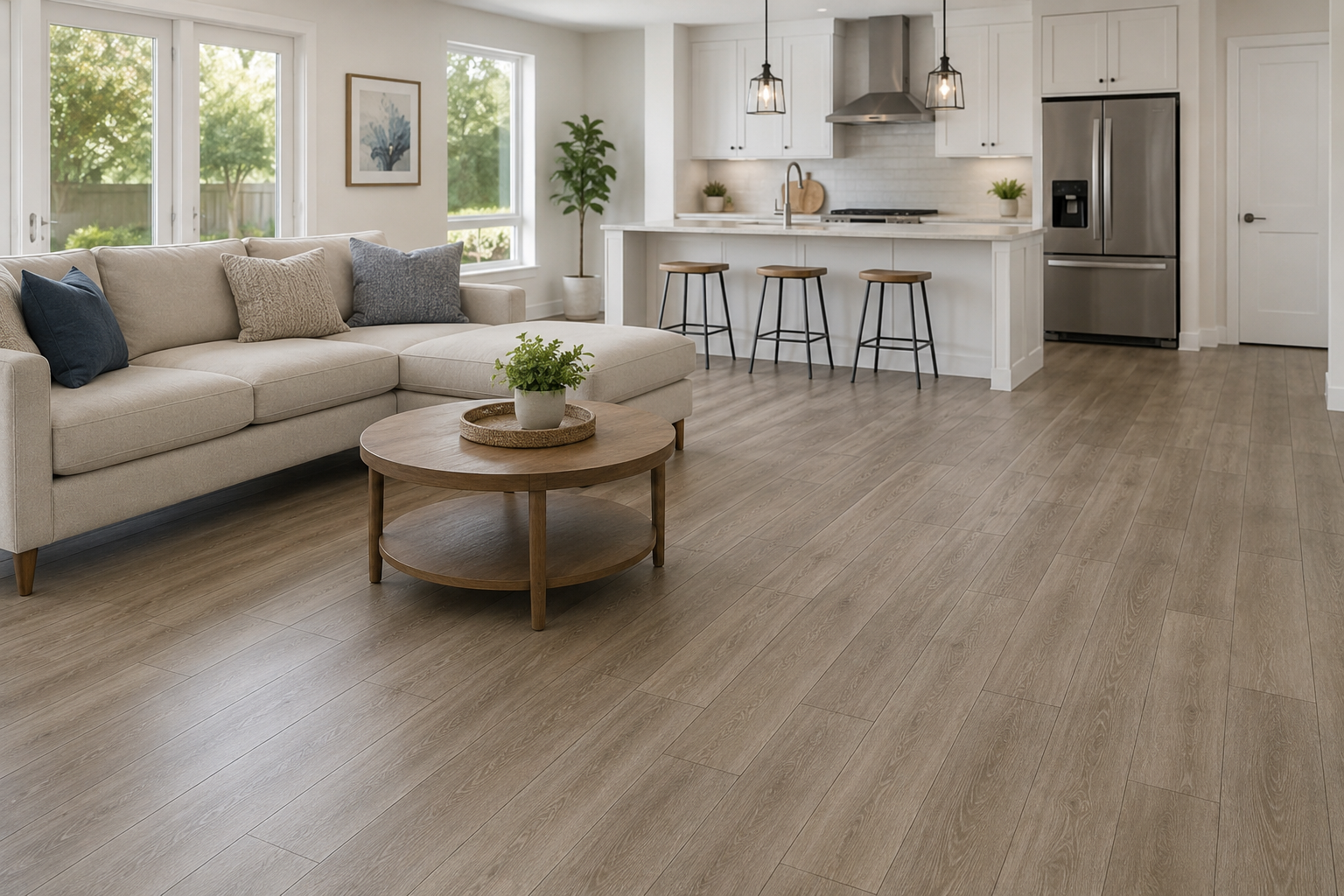
Engineered hardwood flooring in Carlsbad, CA, is generally more stable than solid wood under high humidity.

  • Engineered wood has a layered construction (cross-plywood core) that resists cupping and warping due to moisture.
  • Solid hardwood planks expand/contract more noticeably with humidity changes (higher warp risk).
  • Coastal installers often recommend engineered boards or dense species (white oak) for Carlsbad homes.
  • Even engineered wood requires acclimation: unpack and let planks reach equilibrium (within ~2% moisture of the subfloor) before installing.
  • Solid wood is not advised for very damp areas, whereas some engineered products may handle below-grade installation if a proper moisture barrier is used.

In practice, engineered hardwood usually performs better than solid wood in Carlsbad’s moisture conditions. Choice depends on trade-offs: engineered floors cost slightly more but save on repairs, while solid wood may require stricter climate control. Both types, however, must be acclimated and installed with moisture safeguards.


Installation Best Practices for Humidity

Proper installation (acclimation and moisture barriers) is essential to prevent climate-related damage.

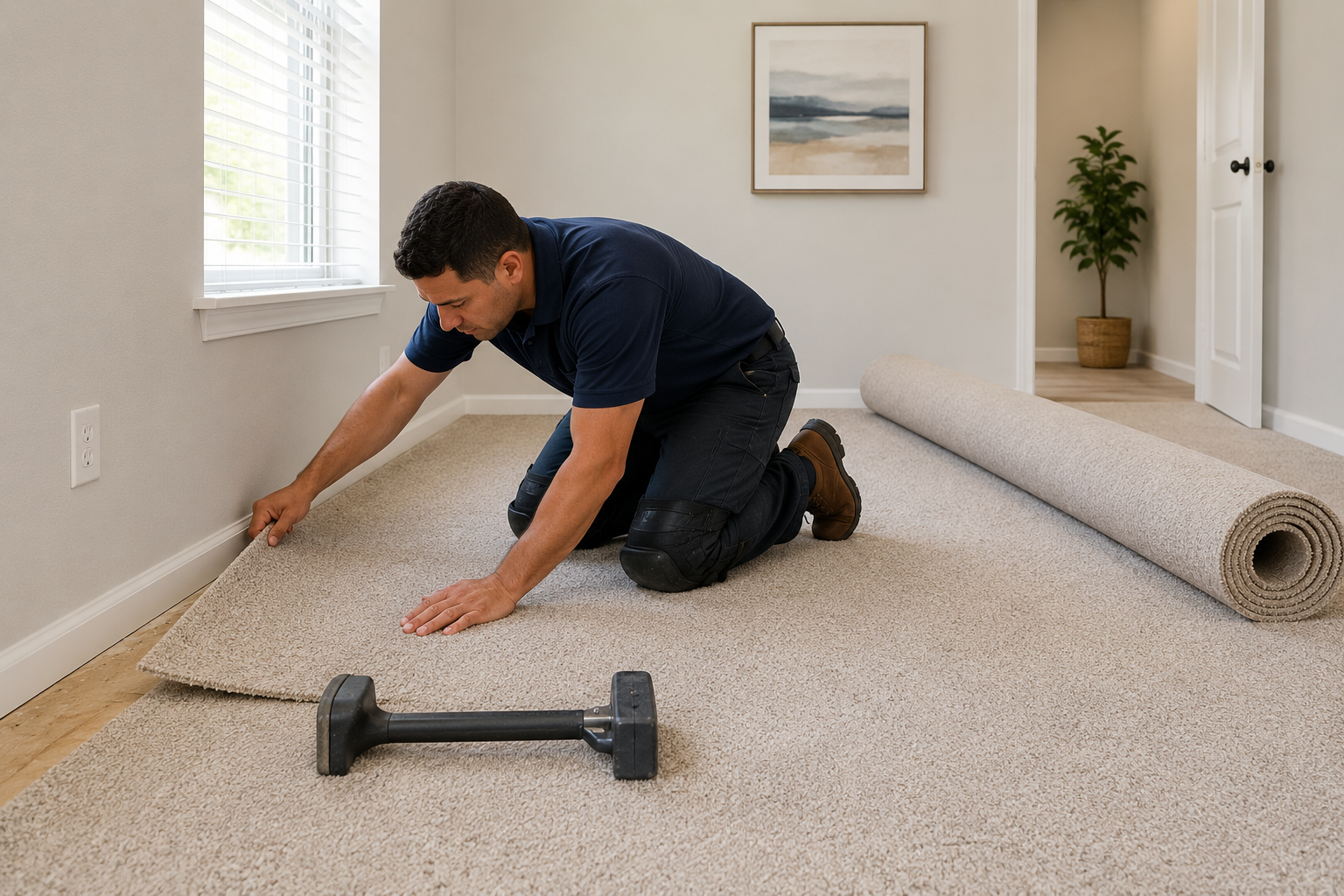
  • Acclimate materials: Leave new wood or carpet in the home (in the rooms where they’ll be installed) for 48–72 hours so they adjust to indoor humidity.
  • Subfloor prep: Ensure the subfloor is completely dry, level, and clean. Test moisture with a meter so subfloor moisture content is within ~2% of the flooring material.
  • Vapor barriers: Use underlayment or vapor barriers under hardwood on concrete or ground floors. For carpet, consider a moisture-resistant pad to prevent water wicking.
  • Climate control: Set HVAC to stabilize 30–50% humidity and 60–80°F before and during installation.
  • Timing: Schedule installations in dry weather. Avoid flooring work during or immediately after heavy rain, very humid days, or other extreme weather.

Skipping acclimation or installing on a damp subfloor will likely lead to problems (gaps, buckles, or mold). Following these steps protects the floor in Carlsbad’s coastal conditions. Monitoring moisture and preparing the site helps ensure the floor performs well.


Maintenance and Prevention

Consistent humidity control and care extend the life of both carpet and hardwood floors.

  • Monitor humidity: Keep indoor humidity around 40–50% year-round (adjust AC, dehumidifiers, or humidifiers as needed).
  • Dry spills promptly: Blot liquids on carpet immediately; wipe up water on hardwood and let it dry to avoid staining or swelling.
  • Regular cleaning: Vacuum carpets frequently and schedule professional cleaning to remove trapped moisture and allergens. Sweep or damp-mop hardwood (with minimal water) to prevent debris buildup.
  • Inspect floors: Periodically check for mold under carpets or gaps in wood. Verify finishes/seals remain intact, and refinish hardwood if wear exposes the wood.
  • Limit moisture entry: Use entry mats and a shoes-off policy to reduce dirt and moisture tracked indoors. Ensure good air circulation (fans or vents) during humid weather.

Ongoing care prevents small moisture issues from becoming damaged. By stabilizing indoor climate and promptly handling wetness, homeowners avoid the major problems that Carlsbad’s humidity can cause (like mold under carpet or warped wood).


Choosing Carpet vs. Hardwood

Each flooring type has trade-offs in Carlsbad’s climate, balancing comfort, durability, and moisture tolerance.

  • Carpet: Lower upfront cost and a soft feel, but it often needs replacement in about 10 years if moisture or wear are issues. High humidity or spills can lead to mold or mildew in the carpet backing.
  • Hardwood: Higher initial cost, but a much longer lifespan (decades) with refinishing. Easier to clean and better for allergy control, but vulnerable to warping unless humidity is controlled.
  • Moisture: Neither is ideal in very damp areas. Both carpet and wood flooring should be kept dry; in some rooms (e.g., bathrooms) waterproof materials like tile or vinyl may be preferable.
  • Comfort vs. Durability: Carpet adds warmth and sound insulation (good for bedrooms), whereas hardwood offers classic looks and long-term durability.
  • Practical choice: A combination often works best (for example, hardwood in living areas and carpet in bedrooms) to match room use. Consider Carlsbad’s climate as a deciding factor.

Carlsbad homeowners should weigh budget, maintenance, and room needs. Accounting for humidity effects—such as carpet’s mold risk and hardwood’s expansion—helps choose the floor best suited to each space.


Conclusion

Carlsbad’s coastal humidity affects both carpet and hardwood, so homeowners should emphasize moisture management when choosing and installing flooring. Maintaining stable indoor humidity and allowing floors to acclimate are key steps. Local flooring experts, including A1 Factory Direct Flooring, note that adapting materials and care routines to the coastal climate helps prevent issues like mold or warping.


Frequently Asked Questions


How does Carlsbad’s humidity affect hardwood flooring?

Carlsbad’s humid coastal air causes wood floors to absorb moisture and expand (cupping or swelling) during damp months, then shrink and gap when dry. Keeping indoor humidity around 35–55% year-round minimizes these effects.


Can carpet in Carlsbad grow mold?

Yes. Carpet can trap moisture in fibers and padding, creating mold or mildew if humidity is high. Ensuring good ventilation and quick drying of any water prevents mold growth.


Is hardwood or carpet better for Carlsbad homes?

Both have trade-offs: carpet is cozy and cheaper but holds moisture, while hardwood is durable but needs strict humidity control. In any case, proper installation and climate control are key. Many homeowners use engineered hardwood in living areas and carpet in bedrooms as a balance.


What indoor humidity level is ideal?

Maintaining indoor humidity around 40–50% is generally recommended to protect flooring. Lower than 30% can dry out wood; above 60% risks mold. A hygrometer can help monitor and adjust as needed.


Should hardwood floors be acclimated before installation?

Acclimate wood or carpet to the home’s humidity by storing materials inside for 48–72 hours before installation. This ensures the material adjusts to local moisture levels and reduces post-installation movement.


What is a common mistake with flooring in humid climates?

A frequent mistake is skipping moisture barriers or acclimation. Installing hardwood on a wet subfloor or without acclimation often leads to warping or gaps. Always ensure subfloors are dry and control indoor humidity before installation.


Can I use carpet in a beach-front home?

Carpeting near the coast is possible but requires care. Mildew-resistant padding can help; avoid installing in damp areas and maintain low humidity. In very humid zones (like enclosed patios or bathrooms), consider water-resistant flooring instead.


How often should I clean or treat carpets?

In Carlsbad’s climate, regular vacuuming and occasional professional cleaning are recommended. After heavy humidity or spills, ensure carpets are dried within 24–48 hours. If mold appears, have it treated promptly.
By Von a February 17, 2026
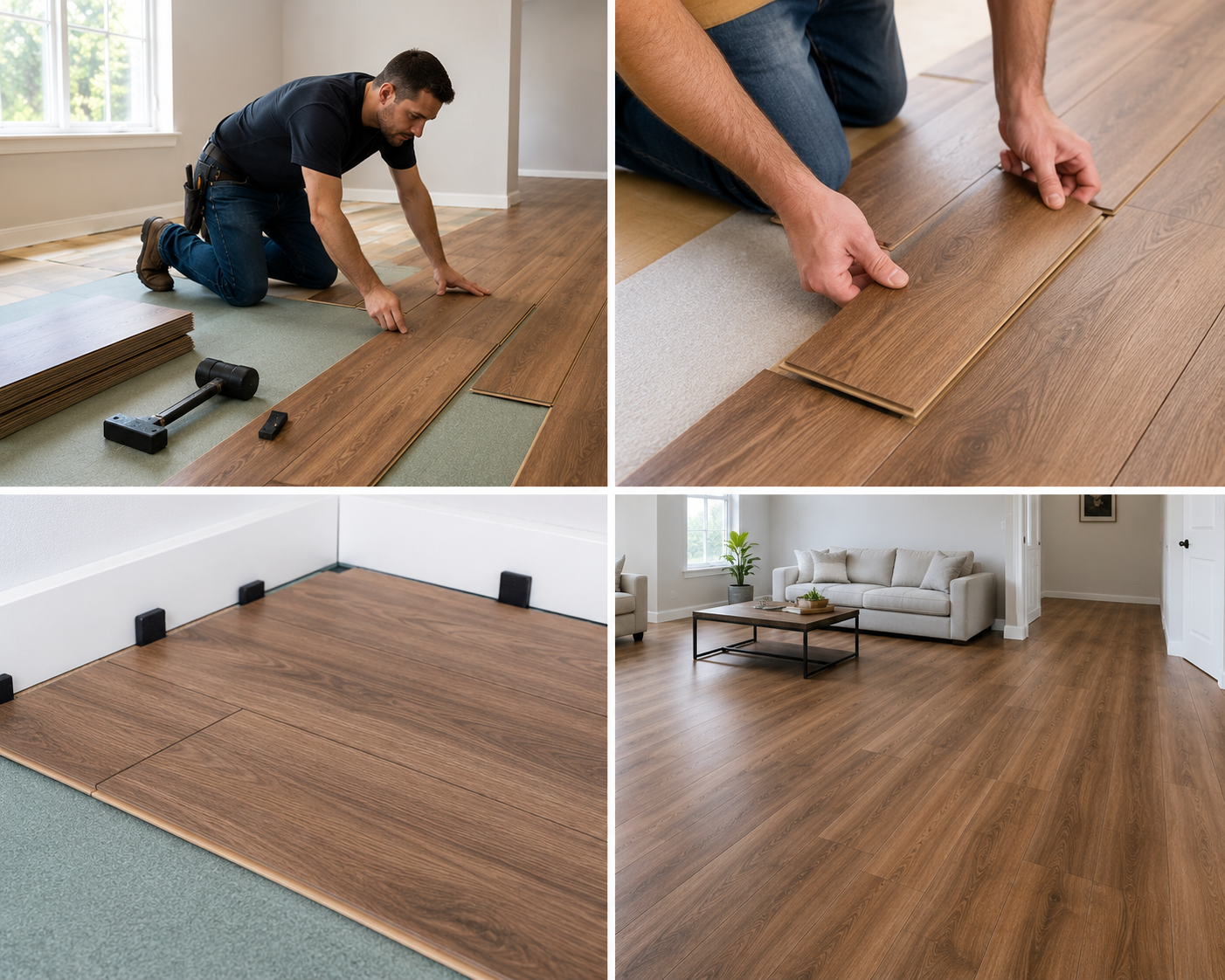
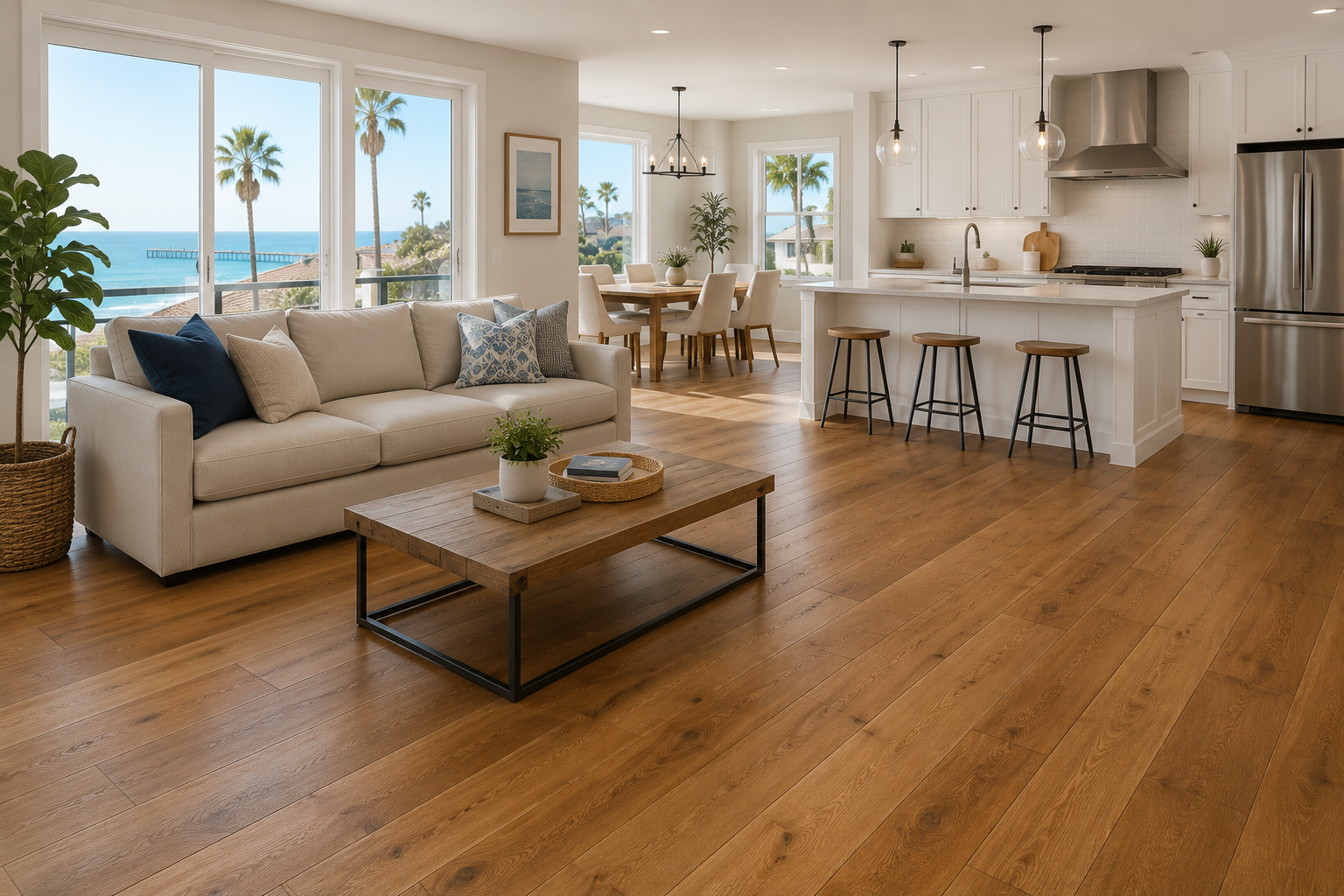
This article explains how hardwood flooring in Vista, CA , and laminate alternatives influence home resale value. It outlines how buyers evaluate flooring, how local market conditions affect preferences, and how durability, maintenance, and cost tradeoffs shape resale outcomes. The goal is to help homeowners understand realistic value impacts before choosing a flooring material. Buyer Perception of Flooring in the Vista Housing Market Buyers in Vista generally view flooring as both a visual indicator of quality and a signal of long-term maintenance costs. Hardwood is often associated with permanence and traditional construction standards. Laminate is commonly seen as a practical, budget-conscious option when well-maintained. Buyers in mid-range homes typically expect consistent flooring throughout the main living areas. Visible wear, mismatched materials, or outdated styles reduce perceived home conditions. Flooring choices rarely raise appraised value directly, but can influence buyer willingness to offer the full asking price. In Vista’s $700,000–$1,000,000 home range, flooring does not usually drive pricing alone, but it can affect time on market and negotiation leverage. Material Durability and Long-Term Wear Patterns Durability affects how flooring looks at resale and how much replacement cost buyers anticipate. Solid hardwood can be refinished multiple times if properly installed. Engineered hardwood has limited refinishing potential depending on wear layer thickness. Laminate resists surface scratches but cannot be refinished once damaged. Coastal dust, sand, and indoor-outdoor traffic increase abrasion on all surfaces. Moisture exposure near kitchens and entries accelerates laminate edge swelling if seams are compromised. Homes with flooring showing uniform wear typically perform better at resale than homes with patched or uneven aging, regardless of material. Maintenance Expectations and Buyer Cost Calculations Buyers mentally factor maintenance burden into perceived home value. Hardwood requires periodic refinishing and careful moisture control. Laminate needs replacement rather than restoration when worn. Buyers with pets or children often favor lower-maintenance materials. Visible maintenance neglect is often interpreted as deferred home care. Flooring replacement costs are commonly deducted during negotiations. In Vista, where buyers often prioritize move-in readiness, flooring that appears clean and consistent can reduce perceived future expenses. Cost-to-Value Relationship Between Flooring Types Resale value impact depends on how closely the installation cost aligns with buyer expectations for the home’s price tier. Hardwood installation costs are higher due to materials, labor, and subfloor preparation. Laminate offers a lower upfront cost and faster installation timelines. Over-improving flooring relative to neighborhood standards rarely increases resale return. Homes priced above local norms face greater scrutiny for finish quality. Replacement cost is often weighed more heavily than original installation cost. Laminate flooring in Vista, CA can perform well in resale when chosen in realistic styles that match the home’s overall condition and pricing. Style, Consistency, and Layout Influence on Resale Flooring impact is strongly affected by visual continuity and layout alignment. Consistent flooring across main living spaces improves perceived flow. Mixing materials without transitions often lowers buyer confidence. Wide-plank and neutral tones currently show broader appeal. High-contrast or trendy finishes date more quickly. Bedrooms and secondary spaces have more flexibility than living areas. Homes with cohesive flooring layouts generally show stronger buyer engagement even when materials are not premium-grade. Climate and Lifestyle Constraints Specific to Vista Homes Vista’s semi-arid coastal climate influences material performance over time. Temperature swings cause expansion and contraction in solid hardwood. Engineered hardwood offers better dimensional stability in coastal zones. Laminate performs well in dry conditions but fails quickly with moisture intrusion. Indoor-outdoor living increases dirt, grit, and foot traffic exposure. Entryway protection and proper acclimation reduce long-term damage risks. Climate-appropriate installation practices matter as much as material choice when resale is a future goal. Common Flooring Decisions That Reduce Resale Appeal Certain mistakes consistently reduce perceived value regardless of material. Installing low-grade materials in visible areas. Using different flooring types in adjacent spaces. Ignoring subfloor preparation to reduce installation cost. Choosing finishes that conflict with wall colors or cabinetry. Delaying repair of visible damage before listing. Avoiding these issues often has more resale impact than upgrading materials alone. Conclusion Hardwood and laminate flooring affect resale value differently depending on installation quality, consistency, and alignment with buyer expectations in Vista. Both materials can support resale when chosen with realistic cost, maintenance, and climate constraints in mind. A1 Factory Direct Flooring can help you to make an informed decision for your flooring needs. Frequently Asked Questions Does hardwood always increase resale value? No. Hardwood only supports resale when condition, style, and installation quality match neighborhood expectations. Is laminate flooring acceptable in mid-range Vista homes? Yes. Modern laminate performs well when installed consistently and maintained properly. Which flooring buyers prefer most in living areas? Buyers usually prefer uniform surfaces that look durable and easy to maintain, regardless of material type. How old is too old for flooring at resale? Flooring showing visible wear or outdated style beyond 10–15 years can reduce perceived home value. Does flooring choice affect appraisal value? Appraisers focus on overall condition; flooring influences buyer behavior more than formal appraisal numbers. Is engineered hardwood better for coastal climates? Often yes. It handles moisture and temperature variation better than solid hardwood. Should flooring be replaced before selling? Replacement makes sense only when existing flooring shows visible damage or inconsistency. Do buyers factor replacement cost into offers? Yes. Buyers often deduct estimated replacement costs during negotiation. Is matching flooring throughout the home important? Consistency improves visual flow and reduces buyer hesitation, especially in open layouts.
By Von a February 17, 2026
Choosing between carpet and luxury vinyl flooring requires understanding comfort, durability, moisture resistance, and long-term maintenance in local conditions. This guide explains how carpet and luxury vinyl perform in Vista, CA homes, including climate-related considerations, cost differences, and practical tradeoffs. Homeowners will learn how each option fits different rooms, lifestyles, and maintenance expectations when evaluating flooring choices. Local Conditions That Influence Flooring Performance in Vista Homes Vista’s coastal-influenced climate affects how flooring materials age, wear, and maintain stability over time. Mild temperatures reduce extreme expansion and contraction compared to inland areas Coastal humidity can increase moisture exposure in ground-level rooms Morning marine layers raise indoor humidity levels near exterior walls Occasional heat waves still stress adhesives and subfloor materials Sand and fine debris are commonly tracked into homes from outdoor areas These conditions make moisture resistance, surface sealing, and maintenance routines more important than in dry inland climates. Flooring that tolerates humidity and frequent cleaning generally performs more consistently over time. Material Structure and Composition Differences Carpet and luxury vinyl flooring are built differently, which affects comfort, lifespan, and suitability by room. Carpet is a soft textile surface attached to a padded underlay Fibers may be nylon, polyester, olefin, or wool Padding thickness affects insulation and foot comfort Luxury vinyl flooring uses a layered construction with a rigid or flexible core Wear layers protect printed designs from abrasion and moisture Plank or tile formats are designed to float or glue down These structural differences explain why carpet feels warmer and quieter, while vinyl resists moisture and surface wear more effectively. Comfort, Acoustics, and Indoor Living Experience Carpet provides softness and noise control, while luxury vinyl offers firmness and stability underfoot. Carpet cushions footsteps and reduces echo in open rooms It insulates floors, making bedrooms feel warmer in winter Dense carpet improves acoustic control in multi-level homes Luxury vinyl feels firmer and cooler, especially in shaded rooms Area rugs are often used to soften vinyl floors in living spaces Vinyl does not compress or flatten under furniture weight Comfort preferences are subjective, but usage patterns matter. Bedrooms and upper floors often favor carpet, while main living areas benefit from stable surfaces. Moisture Resistance and Suitability for Coastal Humidity Moisture tolerance is a major distinction between carpet and luxury vinyl flooring. Carpet absorbs moisture and dries slowly in humid conditions Spills can penetrate the padding and subfloor if not addressed quickly Mold risk increases in poorly ventilated rooms Luxury vinyl flooring resists surface water exposure Most vinyl planks are waterproof at the surface level Seams remain the most vulnerable point in vinyl installations Homes with slab foundations, bathrooms near bedrooms, or laundry-adjacent spaces often experience fewer problems with vinyl flooring than carpet. Durability, Wear, and Long-Term Maintenance Each flooring type has different aging patterns and maintenance requirements. Carpet shows wear in traffic paths over time Fibers may mat or discolor in high-use areas Professional cleaning is usually required every 12–18 months Luxury vinyl resists scratches better than laminate or hardwood Wear layer thickness determines lifespan Routine cleaning involves sweeping and damp mopping only In homes with pets, children, or frequent indoor-outdoor movement, vinyl typically maintains appearance longer with less ongoing care. Installation Complexity and Replacement Considerations Installation methods affect both short-term disruption and future repair options. Carpet installation requires stretching, padding, and trimming Rooms must be fully cleared before installation begins Carpet replacement usually involves full-room removal Vinyl plank flooring can be replaced section by section if damaged Floating systems allow easier removal during remodels Subfloor preparation is critical for both materials When future renovations are planned, vinyl offers more flexibility because individual planks can be removed without replacing entire rooms. Cost Ranges and Long-Term Value Implications Initial cost and lifetime value vary depending on material quality and room usage. Carpet flooring has lower upfront material costs Padding quality significantly impacts the total price Carpet replacement is more frequent in active households Vinyl costs more initially but lasts longer in most conditions Maintenance costs for vinyl are lower over time Total ownership cost often favors vinyl beyond 8–10 years Budget planning should consider how long the flooring is expected to remain in place, not just the initial purchase price. Common Selection Mistakes and How to Avoid Them Many flooring problems arise from mismatched material selection rather than installation quality. Choosing carpet for moisture-prone rooms Selecting low-wear-layer vinyl for high-traffic areas Ignoring subfloor moisture testing Underestimating cleaning requirements Prioritizing appearance over functional needs Mixing flooring types without transition planning Avoiding these mistakes reduces premature replacement and prevents ongoing maintenance frustration. Conclusion Carpet and luxury vinyl each serve distinct purposes in Vista homes depending on room function, moisture exposure, and maintenance expectations. Understanding local climate conditions, daily use patterns, and long-term costs helps clarify which material fits each space best. These considerations guide practical decisions when reviewing options through A1 Factory Direct Flooring. Frequently Asked Questions Is carpet suitable for coastal homes like Vista? Carpet can be used in bedrooms and upper levels, but it requires good ventilation and regular cleaning to manage humidity. Does luxury vinyl flooring handle moisture better than carpet? Yes. Vinyl resists surface water and humidity far better than carpet and dries quickly after spills. Which flooring is better for homes with pets? Luxury vinyl resists scratches and stains more effectively, making it easier to maintain with pets. How long does carpet typically last? Most residential carpet lasts 5–10 years, depending on traffic, fiber type, and maintenance. How long does luxury vinyl flooring last? Quality vinyl flooring often lasts 15–25 years when properly installed and maintained. Is vinyl flooring cold underfoot? Vinyl can feel cooler than carpet, especially in shaded rooms, but rugs can reduce this effect. Can carpet be installed over concrete slabs? Yes, but moisture barriers and proper padding are necessary to prevent odor and mold issues. Does luxury vinyl increase noise in rooms? It can reflect more sound than carpet, but underlayment and area rugs help control noise. Which option is easier to replace during remodels? Luxury vinyl is easier to remove in sections, making it more flexible for future changes.
February 7, 2026
Learn how Escondido’s heat and dry seasons impact laminate and vinyl flooring. Compare performance, installation tips, and maintenance for long-term durability.
A luxurious room with a shiny, wooden floor and a vase of pink flowers.
By James Rosasco January 23, 2026
Learn how luxury vinyl flooring is built, how LVP and LVT differ, where vinyl performs best, and what durability limits matter long term.
Waterproof Laminate Flooring Feature Image
By James Rosasco January 22, 2026
Learn whether laminate flooring is waterproof, how it reacts to moisture, swelling risks, and which rooms are suitable for installation.
Hardwood Flooring Thumbnail
By James Rosasco January 21, 2026
Learn how to maintain and refinish hardwood floors with proper cleaning, moisture control, and sanding guidance to extend durability and surface life.
Visual guide to selecting carpet types for living rooms, bedrooms, stairs, and basements
By James Rosasco January 20, 2026
Learn how to choose the best carpet for each room by comparing traffic levels, comfort, durability, moisture resistance, and maintenance needs.
flooring installation services
By Jacob A September 29, 2025
Overwhelmed by flooring options? Learn how professional installation and expert guidance help California homeowners select and install floors that last.
water damage restoration in Carlsbad
By Jacob A September 27, 2025
Learn how to spot water damage, restore flooring, and work with insurance. Expert tips for Carlsbad homeowners to protect and repair their homes.
water damage restoration in San Marcos
By Jacob A September 8, 2025
Learn the early signs of hidden water damage in homes. From warped floors to mold growth, spot issues early and protect your property.